

The Confirmation Consumers Were Dreading
After months of rumors and analyst speculation, Google has officially signaled that its upcoming Pixel phone—widely expected to be the Pixel 11—will carry a higher price tag than its predecessor. In a statement to 9to5Google, Google SVP Naveen Barkat acknowledged that the company had "shielded our consumers from supply fluctuations for as long as possible" but that the "economics have fundamentally shifted and we're not immune to that." The admission marks a rare moment of transparency from a major hardware maker about the cascading costs of memory in an AI-boom era, and it confirms that even vertically integrated giants like Google are feeling the squeeze.
The Pixel 10, which launched with a starting price of $799, already represented a modest increase over earlier models, but this new warning suggests the next generation will break that ceiling more decisively. While Barkat did not specify the exact dollar figure or the RAM configuration targeted, the context is clear: the demand for high-bandwidth memory from AI data centers has upended the global DRAM and NAND flash markets, leaving consumer device makers competing for a limited, increasingly expensive supply pool.
How AI Infrastructure Is Starving Consumer Supply Chains
The link between a chatbot and a smartphone's price may seem indirect, but the semiconductor supply chain connects them tightly. Large language models, generative AI workloads, and cloud-based inference require enormous amounts of high-speed memory, particularly HBM (High Bandwidth Memory) stacks used in GPUs and TPUs. Fabrication capacity at the three major DRAM manufacturers—Samsung, SK Hynix, and Micron—has shifted aggressively toward HBM production, reducing output for the LPDDR5 and LPDDR5X modules found in phones, laptops, and gaming consoles.
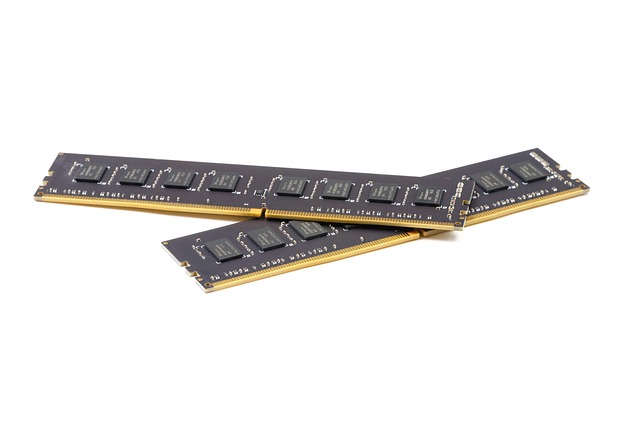
According to industry reports, HBM wafer starts accounted for roughly 15% of total DRAM output in early 2025, a figure projected to exceed 30% by mid-2026 as new AI accelerators ramp up. That reallocation has drained inventory buffers and pushed contract prices for standard mobile DRAM up by more than 25% year-over-year as of Q2 2026. Google's Pixel team, which typically sources non-HBM memory from Micron and Samsung, would have absorbed those increases for the Pixel 10 production cycle by paying premiums on the spot market or leaning on older stock. Barkat's comments imply that strategy is no longer sustainable.
The Broader Wave of Consumer Electronics Price Hikes
Google's situation is far from unique. Apple raised the starting price of its iPhone 17 Pro lineup by $50 in 2025, and the upcoming iPhone 18 series is tipped for a similar bump, partly attributed to increased NAND and DRAM costs. Nintendo's Switch 2 launched at $399, $50 above the original Switch's launch price in 2017, and analysts pointed to elevated memory expenses as a key factor. Even Microsoft's latest Xbox refresh and Roku's streaming hardware have seen subtle price adjustments. What makes Google's move notable is the direct attribution to AI-related supply dynamics, rather than vague references to component costs.
This pattern reveals a tangible, unintended consequence of the AI boom: the consumer devices that billions use daily are becoming more expensive because the silicon they depend on is being funneled into data center accelerators. For years, the smartphone industry benefited from steadily declining memory costs per gigabyte, enabling manufacturers to pack more RAM and storage into devices without inflating retail prices. That trend has now reversed, and the Pixel 11 will be one of the most visible test cases for how the market absorbs that reversal.
What the Price Increase Means for Pixel Buyers and Google's Hardware Strategy
For consumers, the immediate takeaway is straightforward: buying a flagship Pixel will soon cost more, likely crossing the $849 or even $899 threshold depending on the base storage and RAM configuration. Google has historically positioned its phones as value-driven alternatives to Samsung's Galaxy S series and Apple's iPhones, often undercutting them by $100 to $150. A significant price increase could erode that advantage, especially if competing Android OEMs accept thinner margins to hold their own prices steady.
From a strategic perspective, the move raises questions about Google's long-term hardware ambitions. The company has invested heavily in its custom Tensor chips and integrated AI features—things like on-device Gemini models and advanced computational photography—all of which require generous RAM allocations. A Pixel 11 with less memory than engineering teams want would undermine the user experience, so absorbing higher BOM costs becomes unavoidable. However, Barkat's framing suggests Google will not compromise on specs to keep a lower price, meaning consumers will pay for the full memory bill up front.
Looking Ahead: Will the Memory Bubble Cool or Continue to Boil?
Industry projections for memory pricing remain uncertain. DRAM supply is expected to remain tight through at least mid-2027, as fabrication expansion for HBM takes precedence over mobile DRAM capacity growth. Samsung and SK Hynix have announced multi-billion-dollar fab investments, but those facilities won't contribute meaningful output for another year or longer. Meanwhile, AI demand shows no signs of plateauing, with hyperscalers like AWS, Microsoft, and Google Cloud continuing to build out infrastructure.
For device makers, the path forward may involve more creative component strategies: adoption of LPDDR6 memory once it enters mass production, use of tiered storage-memory architectures that offload some work to faster NAND, or even tiered pricing based on RAM tiers. Google's Pixel 11 could be one of the first mainstream phones to explicitly offer a premium RAM configuration at a proportionally higher price, further segmenting the market. However the details shake out, Barkat's confirmation signals that the AI industry's hunger for memory is now a line item on every consumer's next phone, tablet, and laptop bill—a reality the tech world will be navigating for years to come.

Comments