

What Is Botnik?
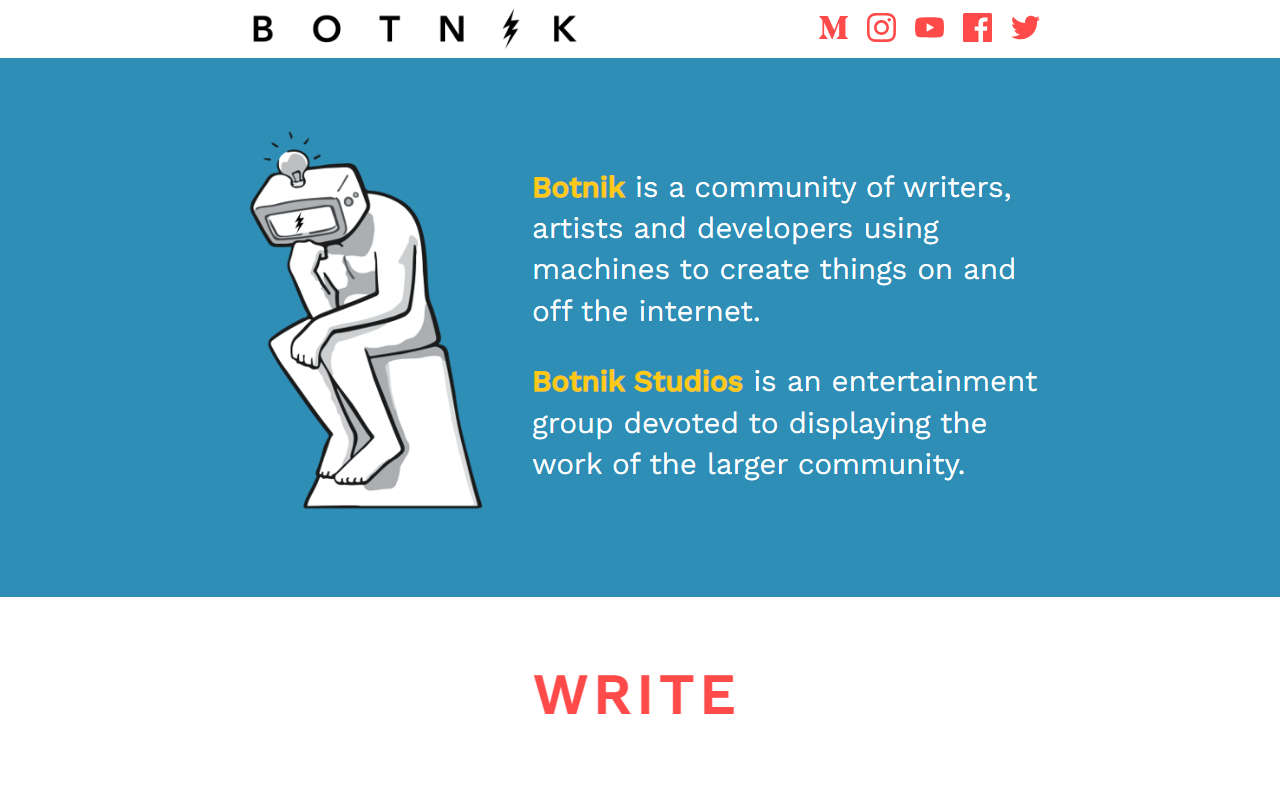
Botnik describes itself as a community of writers, artists, and developers using machines to create things on and off the internet. At its core is Voicebox, a creative keyboard that works like your phone’s predictive text but with a twist: you choose a “voice” from a list of source materials, such as Harry Potter narration, Carl Sagan’s writing, or even negative Yelp reviews for the Statue of Liberty. Instead of generating full paragraphs, Botnik suggests the next word based on the probability from that specific corpus. The tool solves a niche problem: helping users remix language in a constrained, playful way rather than producing polished prose. It’s more an experimental toy than a productivity writer.
First Impressions and User Experience
Upon visiting botnik.org, I saw a clean, almost bare-bones homepage. The main call to action is “Write” which leads to the Voicebox interface. I selected “Harry Potter narration” from a dropdown list of about fifteen voices. The typing interface is minimal: a text box where I began typing “The wizard,” and immediately the tool suggested three words: “looked,” “raised,” and “smiled.” Tapping one inserts it, and new predictions appear. The predictions felt genuinely aligned with J.K. Rowling’s style, though the process is slow – you must choose every single word. There is no way to generate a sentence or paragraph automatically. The free tier gave me full access; I saw no paywall, but pricing is not publicly listed anywhere on the site. For curated output, Botnik Studios offers premium “human-machine hivemind” content, likely paid. The community gallery and newsletter are easily accessible, but the overall onboarding is sparse – no tutorial beyond the tool itself.
Technical Details and Market Position
Botnik’s technology is not explicitly disclosed, but Voicebox uses a language model trained on the selected source material to predict the next character or word. Given the constrained selection of voices, it is likely fine-tuned on small, curated datasets rather than a giant general model. There is no API mentioned, and integrations are absent. Compared to mainstream AI writing tools like Jasper or Copy.ai, which generate long-form content from prompts, Botnik is radically different: it forces step-by-step word selection, encouraging human-machine collaboration. A closer alternative might be the “predictive text” apps like Wordtune, but Botnik’s choice of quirky, literary voices sets it apart. This tool is best suited for creative writers, poets, or artists exploring algorithmic inspiration. It is not for anyone needing efficient content creation, marketing copy, or editing. The community aspect, with live shows and a gallery, gives it a cult following, though I could not verify its user base size.
Strengths, Limitations, and Final Verdict
Botnik’s strength lies in its originality: it makes you think about language in a new way. The curated voices are clever and fun – trying to write a sentence in the style of “Marx/Engels Communist Manifesto” or “Beyoncé” is genuinely amusing. The tool is free to try, and the community projects show real creativity. However, its limitations are clear: the word-by-word process is tedious, there is no export or save functionality evident, and the voice options, while unique, are fixed and not extensible by the user. If you need to write a blog post for work, Botnik will frustrate you. If you want to playfully experiment with style or break writer’s block, it is worth a few minutes. My recommendation: try it once for fun, but do not expect a serious writing aid. Visit Botnik at https://botnik.org/ to explore it yourself.











Comments