

First Impressions and the Onboarding Flow
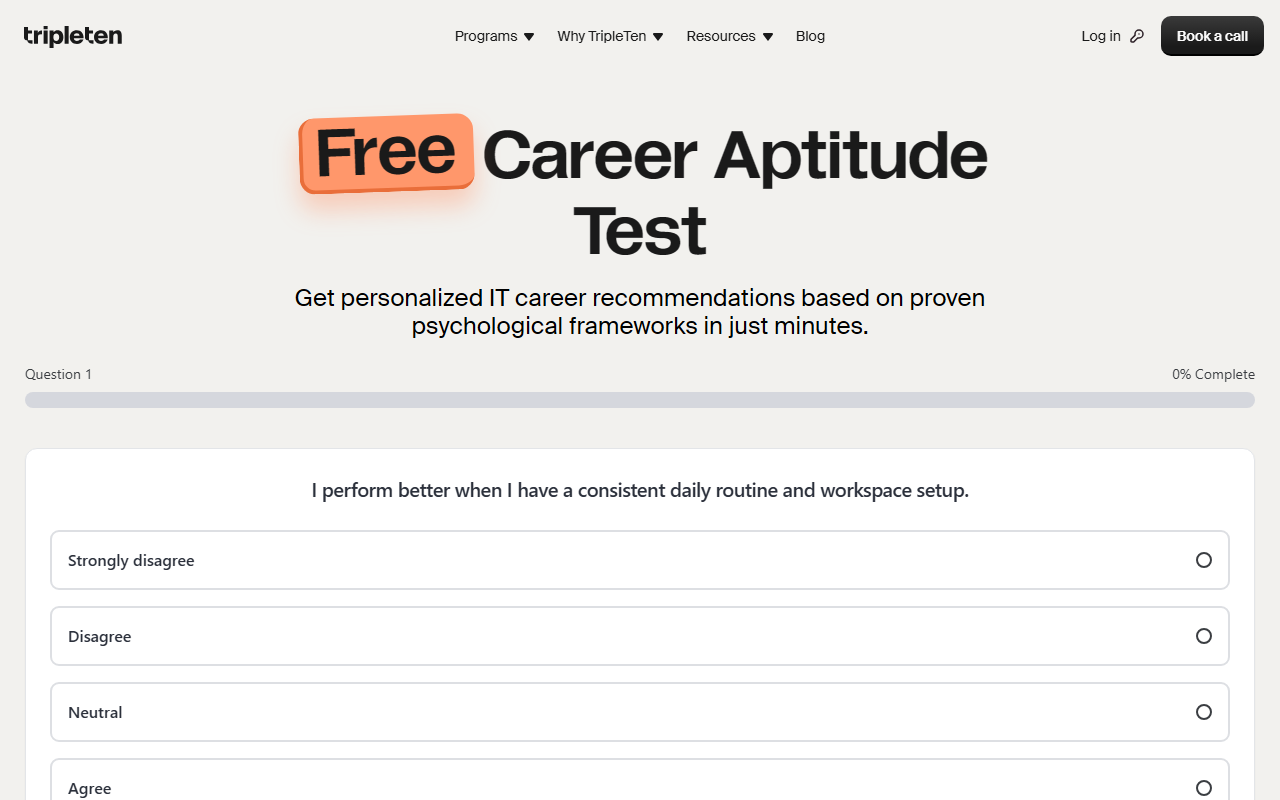
Upon visiting TripleTen’s website, I was greeted by a clean, story-first design. The homepage immediately showcases student success stories and a 4.7/5 rating, which builds trust before you even click a program. The tagline “Learn the job. Land the job.” sets the tone for a no-nonsense, outcomes-focused experience. After selecting a track—I chose Software Engineering to test—the sign-up process was frictionless: just an email and a short questionnaire about my background and goals. Within minutes I was inside the learning dashboard, which is built around a modular structure of bite-sized lessons, coding tasks, and progress tracking. The interface feels modern and responsive, with a sidebar that shows the entire curriculum in chapters. I noticed a dark mode toggle and clear calls to action for accessing the AI assistant, Dot, which is prominently placed in the lower-right corner.
The Learning Experience with the AI Assistant, Dot
TripleTen’s core differentiator is its AI assistant, Dot, which is embedded into the platform. When I tested the free tier (the site offers a free introductory module), I hit a mock code error on purpose. Clicking “Ask Dot” instantly opened a chat window. Dot not only explained the error in plain English but also suggested a corrected snippet and summarized the underlying concept—in this case, “array indexing off by one.” The response was fast and contextual, clearly powered by a fine-tuned GPT model. Dot also offers 24/7 availability for theory explanations, code reviews, and content summarization. A pop-up noted that 94% of current students are satisfied with Dot’s support. This level of AI integration feels less like a gimmick and more like a genuine study buddy. Pairing Dot with human instructors who host office hours and give detailed feedback creates a hybrid model that addresses both quick questions and deeper understanding.
Career Outcomes and the Employer Network
TripleTen doesn’t hide that its goal is employment. Every program includes career prep woven into the curriculum. You get access to AI tools like an AI resume builder, AI LinkedIn analyzer, and AI interview practice. More importantly, I saw evidence of a real employer network—over 250 companies—and the promise of direct resume submission for matching roles. Real-world projects are built for partner companies; for example, I could choose a data analysis project based on current 2026 employer needs. The career coaches have substantial experience (up to 11 years) and help you reframe your past work history. Testimonials from graduates who landed roles at Amazon and Natera add credibility. Unlike competitors such as Springboard or Codecademy, TripleTen emphasizes hands-on projects and a community hub with study buddies, which makes the remote journey less isolating. However, the bootcamp is still a significant time commitment—77% of current students work full-time, so you’ll need to allocate 20+ hours per week.
Verdict and Pricing
Pricing is not publicly listed on the website. Based on industry averages, bootcamps of this depth typically range from $10,000 to $15,000, with payment plans or income share agreements available. Contacting sales is required for a quote. The clear strengths are the AI assistant, structured curriculum, and career support. The limitations are that programs are not accredited, and the fast-paced format may not suit self-directed learners who prefer slower exploration. TripleTen is best suited for career changers who want a guided, AI-enhanced path to a tech job within a year. If you already have a CS degree or strong portfolio, you might be better served by free resources or specialized courses. Overall, TripleTen delivers on its promise of blending AI study tools with human coaching, making it a top contender in the bootcamp space.
Visit TripleTen at https://tripleten.com/ to explore it yourself.









Comments