
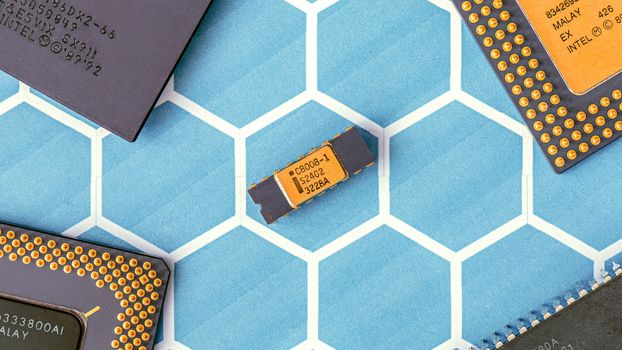
Anthropic, the AI start‑up behind the Claude language model, is exploring a new custom chip with Samsung Electronics, according to a TechCrunch report published on Thursday. The early‑stage talks aim to create an inference‑optimized processor that would allow Anthropic to scale its large language models while reducing its reliance on Nvidia’s dominant GPU ecosystem. While neither company has publicly confirmed the negotiations, the move highlights the mounting pressure on frontier AI labs to control their own hardware destiny.
Why Anthropic Needs Its Own Silicon
Nvidia’s H100 and upcoming B200 GPUs have become the de facto workhorses of generative AI, commanding an estimated 80% share of the AI accelerator market. For companies like Anthropic, the cost of renting or buying these chips is staggering. Training a model on the scale of Claude 4 can easily exceed $100 million in compute alone, and inference expenses continue to balloon as user bases grow. By moving toward a custom chip, Anthropic could tailor the silicon specifically for the transformer‑based architectures it uses, potentially cutting per‑token inference costs by 30–50% based on industry benchmarks from Google’s TPU and Amazon’s Trainium projects. More importantly, it would decouple the company’s roadmap from Nvidia’s supply constraints and pricing strategies.

Samsung’s Role and the Foundry Landscape
Samsung has been aggressively courting AI chip designers as it tries to close the gap with TSMC, which currently fabricates the majority of leading‑edge AI accelerators, including those from Nvidia and Apple. Samsung’s 3‑nanometer gate‑all‑around (GAA) process, which entered risk production in 2026, offers a potential differentiation point. According to previous public disclosures, Samsung claims up to 35% better power efficiency compared to its 4nm node, a critical metric for power‑hungry AI inference clusters. Discussions with Anthropic would likely involve Samsung acting as both a design partner, through its System LSI division, and a manufacturer, giving Anthropic a vertically integrated path from logic design to wafer production. This dual role could accelerate prototyping but also raises concerns about capability; Samsung’s foundry yield rates on advanced nodes have previously trailed TSMC’s, a factor that could delay a final product.
Inside the Custom Chip Arms Race
Anthropic’s exploration mirrors moves by nearly every major AI player. OpenAI is reportedly finalizing a custom chip with Broadcom and TSMC, targeting 2027 production. Microsoft’s Maia 100 accelerator and Amazon’s Trainium2 are already deployed internally. Google, with its seventh‑generation TPU, remains the longest‑running example of bespoke AI hardware delivering competitive performance. Meta has also built its MTIA inference chip. For Anthropic, which lacks the cloud infrastructure of a hyperscaler, a custom chip represents a bet that specialized hardware can make its API services more cost‑competitive against rivals like OpenAI’s GPT‑5. The company’s partnership with AWS for cloud distribution does not preclude using Samsung‑made chips in its own data centers or even offering them through third‑party clouds if the economics prove favorable.
Challenges and What’s at Stake
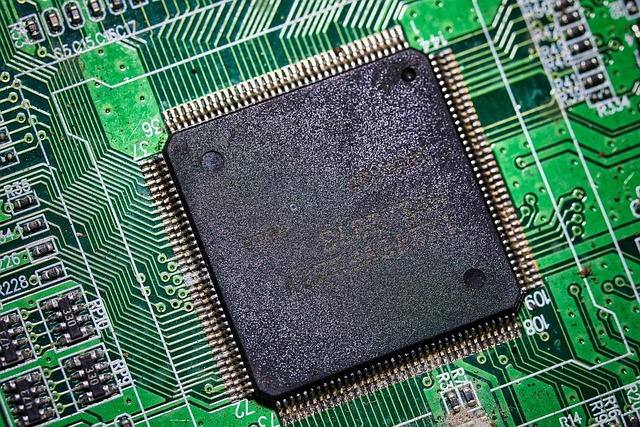
Designing a custom AI chip is a multi‑year, billion‑dollar endeavor. From RTL design to tape‑out, a 3nm class chip can consume 18–24 months before first samples return from the fab. Anthropic, which has raised over $7 billion in funding, has the capital but not the in‑house semiconductor team of a company like Google. Early discussions with Samsung might involve co‑engineering to fill those gaps, but execution risk remains high. Additionally, Nvidia’s CUDA software ecosystem and its networking platform (Spectrum‑X) create a moat that hardware alone cannot easily cross. Anthropic would need to build or adapt a compiler stack to run its models efficiently, a non‑trivial task that has tripped up other custom efforts. Still, the payoff could be substantial: a successful chip could prevent billion‑dollar hardware lock‑in and give Anthropic more leverage in negotiations with cloud providers.
Implications for the AI Hardware Market
If the Samsung talks progress, the chip supply chain could see a meaningful shift. Samsung’s foundry would gain a marquee AI client at a time when Nvidia is rumored to be considering a partial move to Intel Foundry for some co‑packaged optics. For Nvidia, another major lab moving to in‑house chips signals that its pricing power may eventually erode, though its near‑term backlog remains secure. For the broader developer community, a successful Anthropic chip could spawn an open‑source inference runtime or even influence how models are designed—hardware‑aware architectures are already trending. One thing is certain: the custom chip race is no longer a side project for the hyperscalers. It is rapidly becoming a boardroom‑level requirement for any AI company that plans to survive the next phase of scaling.

Comments