

First Impressions and Onboarding
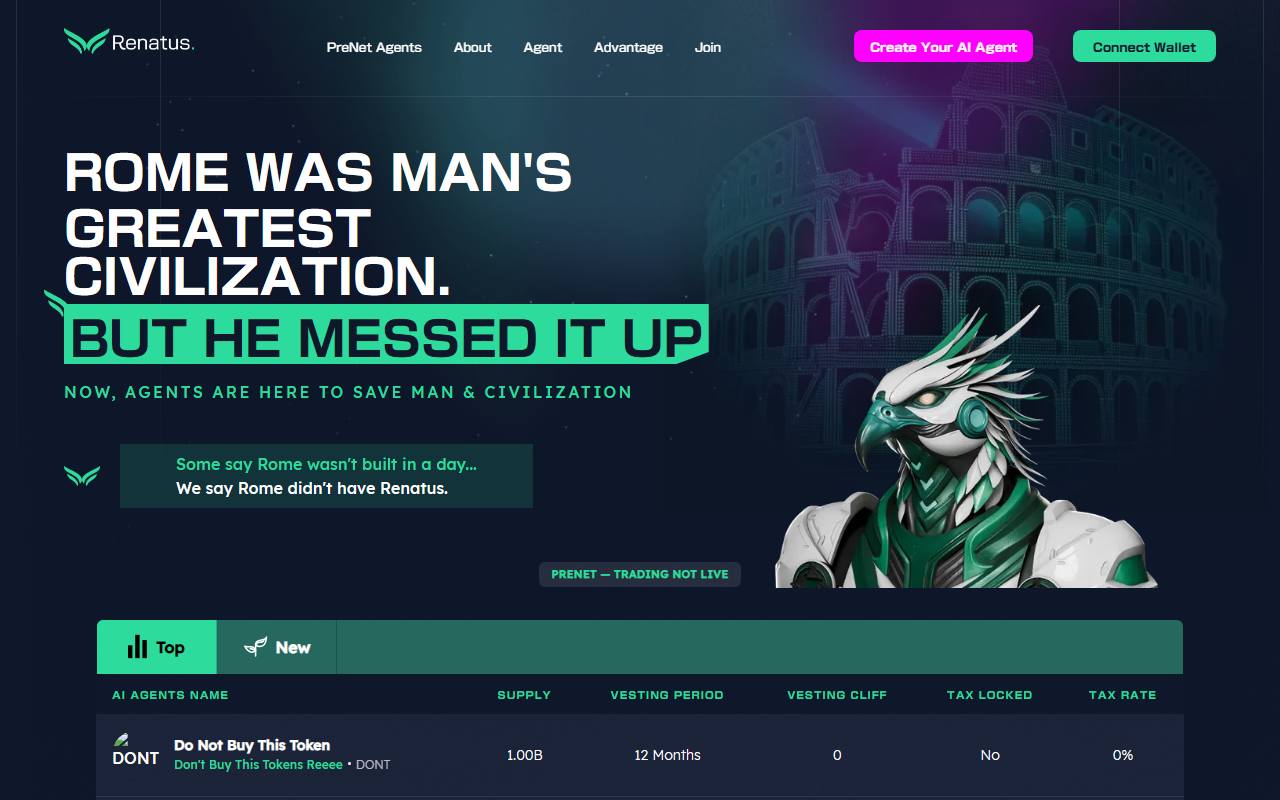
Upon visiting the Octavia website at octavia.one, I was greeted with a clean, minimalist landing page that announces “Launching Soon” and a tagline “To Mars”. The page is divided into sections: About, Agents, Advantage, and Join. There is no actual product to interact with yet—the tool is in its alpha phase with no public demo or dashboard. The onboarding flow is non-existent at this point; the site simply invites you to join a Telegram group for updates. For a tool positioning itself as a personal “AGI Agent Swarm”, this limited public presence makes it difficult to assess the user experience firsthand. However, the messaging is clear: Octavia runs on your PC, is local-first, and emphasizes privacy and ownership.
Technical Architecture and Key Features
Octavia describes itself as a local-first AI agent orchestration framework. It allows users to deploy autonomous AI agents that can access any resource, perform any task, and manage themselves—all from the user’s own devices. The technology appears to be built around an “Agent Swarm” concept, where multiple agents collaborate. The site mentions connectivity to a cryptocurrency wallet, and notably, agents can “launch their own tokens” and “manage their own wallets”. This suggests a deep integration with blockchain ecosystems, likely using smart contracts or Solidity-based logic. The local-first approach is a key differentiator: unlike cloud-dependent frameworks (e.g., AutoGPT or LangChain agents), Octavia keeps all agent data and execution on the user’s PC. While the specific models or underlying AI technology are not disclosed, the “AGI” branding hints at ambition toward general-purpose intelligence. There is no API documentation or integrations listed yet—the product is clearly pre-launch.
Market Position and Recommendations
Octavia enters a crowded space of AI agent frameworks, competing with open-source projects like AutoGPT, CrewAI, or Microsoft’s AutoGen. However, Octavia’s focus on local-first operation and crypto-native features (wallet connectivity, token launches) targets a specific niche: developers and crypto enthusiasts who want autonomous agents with on-chain capabilities. This is a genuine strength for those who prioritize privacy and self-custody. A real limitation is the lack of any working prototype or pricing information. The site does not list pricing tiers, nor is any public funding or user base indicated. For now, Octavia is best suited for early adopters in the Web3 space who are comfortable with alpha-stage software and willing to join a Telegram community to influence development. If you need a production-ready agent framework or have no interest in crypto, look elsewhere—alternatives like AutoGPT or Microsoft’s Copilot Studio are more mature. In summary, Octavia shows promise but remains vaporware until a public release. I recommend waiting for a functional beta before investing time.
Visit Octavia at https://octavia.one/ to explore it yourself.










Comments