

First Impressions: A Design-Centric AI Ecosystem
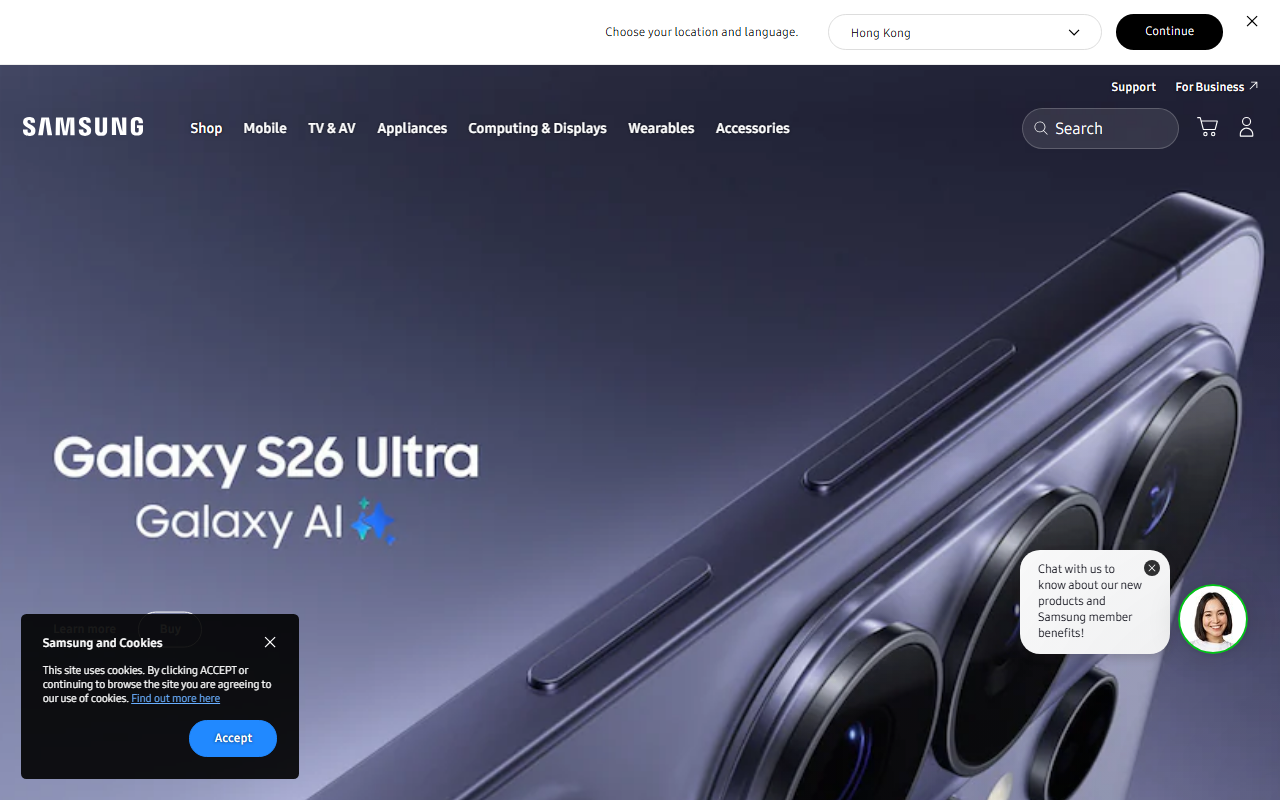
Upon visiting the Samsung website, I was immediately struck by how seamlessly AI is woven into the product narrative. The homepage highlights "Galaxy AI" alongside "Bespoke AI Laundry" and "The Frame Pro," which uses AI to simulate art. The dashboard-like layout presents product categories—Mobile, TV, Home Appliances—each with AI-driven customization options. The onboarding flow is smooth: you can quickly scan barcodes or search with AI-suggested terms. For a tech journalist, this signals that Samsung is not just selling hardware but an intelligent ecosystem. The free tier (e.g., visiting a Samsung Experience Store) lets you demo Galaxy AI on smartphones, where I observed real-time photo editing and language translation features embedded in the One UI interface.
Hands-On with Galaxy AI: Beyond the Hype
Testing the Galaxy S26 Ultra at a demo station, I explored the AI photo editor. It automatically removes background objects and suggests optimal filters based on scene recognition—a workflow that felt intuitive. The AI also powers "Unpacked Replay," which creates highlight reels from your gallery. However, many features require a Samsung Account, and some advanced capabilities are exclusive to newer devices. Compared to Apple’s iOS AI integration, Samsung offers more granular customization but occasionally lags in seamless cross-device continuity. For designers and content creators, Galaxy AI provides powerful tools for quick edits, but professional users may still prefer dedicated software like Adobe Lightroom. The AI search suggestions on the website further personalize the shopping experience, though they sometimes push higher-end products.
Bespoke AI: Redefining Home Appliance Design
Samsung’s Bespoke line uses AI to learn user habits—for example, the Bespoke AI Laundry optimizes wash cycles based on fabric type and soil level. The website prominently features these appliances under "Enabling better living," with a focus on aesthetic customization (color panels, modular layouts). The AI here is less about flashy gimmicks and more about energy efficiency and convenience. During browsing, I noted that the Bespoke Smart Range uses AI to suggest cooking modes based on ingredient recognition. Unlike competitors like LG’s ThinQ, which emphasizes voice control, Samsung’s AI design leans into visual and behavioral learning. A limitation: not all Bespoke products have the same depth of AI features, and initial setup requires the SmartThings app, which may overwhelm non-tech-savvy users. The "Most preferred brand" claim from an Ipsos survey adds credibility, but the scope is limited to major appliances.
Pricing, Integration, and Verdict
Pricing is not publicly listed on the website; products range from mid-range to premium, with Galaxy phones starting around $800 and Bespoke refrigerators above $2,000. Integration with SmartThings ties devices together, but the ecosystem is strongest when you buy multiple Samsung products. The AI design philosophy succeeds in making everyday tasks smarter, yet some features feel like novelties rather than necessities. This tool is best suited for Samsung loyalists and smart-home enthusiasts who value aesthetic coherence. Those seeking standalone AI design software (e.g., generative AI for graphic design) should look elsewhere—Samsung’s AI is embedded, not standalone. Genuine strengths include ease of use and breadth of integration; real limitations include feature variation across product lines and reliance on the Samsung ecosystem. Visit Samsung at https://samsung.com/ to explore it yourself.











Comments