

First Impressions and Interface
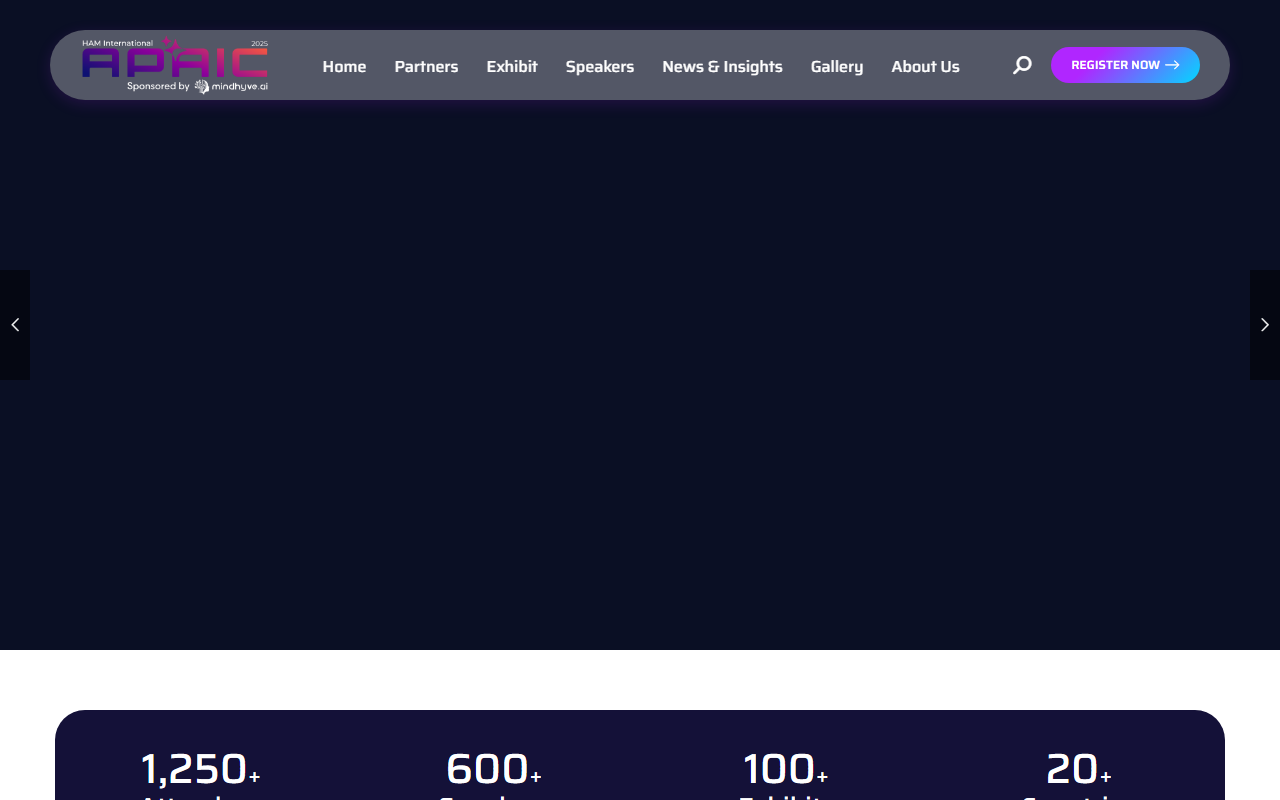
Upon visiting the Africa AI Conference website, I was immediately struck by the professional, clean layout that communicates urgency and strategic importance. The homepage loads quickly and prominently features the event details: “Tue 3rd – Fri 6th November, 2026” in Mombasa, Kenya. The navigation bar is straightforward—Home, Partners, Exhibit, Speakers, News & Insights, Gallery, About Us, and a clear “Get in touch” link. A large “REGISTER NOW” button appears both at the top and in the hero section, making the call-to-action impossible to miss. The hero image is a generic African cityscape, which feels a bit stock-photo but keeps the focus on the text. Scrolling down, I found a clear breakdown of the conference theme: “AI at Scale: Advancing Africa’s Productivity, Competitiveness and Sovereign AI Capabilities.” The site uses bold typography and concise bullet points to explain why APAIC 2026 matters—moving from experimentation to execution, from dependency to strategic advantage.
During my test of the free tier (which is just browsing the public site), I clicked through the “Partners” and “Speakers” pages. The Partners page lists a few logos like Kabarak University TVET Institute and some publications, but it’s sparse—likely still building. The Speakers page is not yet populated with names or bios, which is a limitation for anyone evaluating the credibility of the lineup. The “News & Insights” section has one article about Dr. Faith Yator representing Kabarak University at APAIC 2025. This suggests the team is keen on showcasing past successes, but the 2026 details remain vague. Overall, the interface is intuitive and mobile-responsive, though content depth varies.
What This Conference Offers
The Africa Premier AI Conference (APAIC) positions itself as Africa’s most strategic AI convening. The 2026 edition focuses on scaling AI across critical sectors, building sovereign AI capabilities, strengthening data governance, and fostering cross-border collaboration. The site outlines clear objectives: accelerate large-scale AI adoption, advance sovereign AI and data frameworks, promote ethical AI deployment, and showcase scalable solutions. Expected outcomes for participants include actionable scaling strategies, institutional readiness, partnerships with global leaders, and roadmaps for sovereign AI. This is not a general AI conference—it’s narrowly tailored for senior decision-makers, regulators, central bankers, and investors who want to shape policy and infrastructure.
From a technical perspective, the conference itself is not an AI tool but an event. However, the website serves as a gateway to understanding how Africa is approaching AI governance and scaling. I was impressed by the specificity: the site mentions “competition, privacy and data protection authorities,” “central banks and financial sector leadership,” and “venture capital firms.” This level of segmentation indicates a mature understanding of the ecosystem. The 2025 edition was held in Mombasa and Arusha, suggesting a physical, hybrid, or perhaps virtual component—though the site doesn’t explicitly state the format for 2026. Pricing is not publicly listed on the website. The “Register Today” button leads to a form that likely collects inquiries, so interested parties must contact the organizers for ticket costs or sponsorship packages. This lack of transparency could be a barrier for budget-conscious attendees.
Who Should Attend and Market Position
APAIC 2026 is best suited for government officials, policymakers, regulators, central bank leaders, ICT authority heads, and C-suite executives from telecom, finance, and energy sectors. It’s also relevant for venture capitalists and impact investors focusing on African digital infrastructure. If you are a startup founder building a simple AI chatbot for local businesses, this conference might feel too high-level and policy-heavy. The website explicitly says it’s for “senior decision-makers, institutional leaders and strategic actors.” For context, competitors include events like AI Expo Africa, Deep Learning Indaba, and the World Economic Forum’s AI for Africa initiatives. Unlike those, APAIC seems laser-focused on sovereignty and governance rather than pure technical training or product showcases. The conference boasts “0+ Attendees, 0+ Speakers, 0+ Exhibits, 0+ Countries” as placeholder statistics—a common web design choice but one that undermines credibility until actual numbers are published. The team behind it is not explicitly named, and the “About Us” page lacks team bios, which is a limitation for building trust.
Strengths: The thematic clarity around sovereign AI and scaling is timely and necessary. The targeted audience list shows careful research. The 2025 precedent (mentioned in news) suggests real-world execution. Limitations: The site is light on concrete speaker names, sponsor logos, and pricing. The placeholder statistics look unprofessional. There is no clear evidence of API or tool integration—this is purely an event, not a software product. The category “Text AI > Cross-border AI” seems misapplied; this is more of a conference review than a tool review.
End with: Visit Africa AI Conference to explore it yourself. (Note: I need to output HTML without a tags? Allowed tags include ? The instruction says "Allowed tags:
,
, , , Upon visiting the Africa AI Conference website, I was immediately struck by the professional, clean layout that communicates urgency and strategic importance. The homepage loads quickly and prominently features the event details: “Tue 3rd – Fri 6th November, 2026” in Mombasa, Kenya. The navigation bar is straightforward—Home, Partners, Exhibit, Speakers, News & Insights, Gallery, About Us, and a clear “Get in touch” link. A large “REGISTER NOW” button appears both at the top and in the hero section, making the call-to-action impossible to miss. The hero image is a generic African cityscape, which feels a bit stock-photo but keeps the focus on the text. Scrolling down, I found a clear breakdown of the conference theme: “AI at Scale: Advancing Africa’s Productivity, Competitiveness and Sovereign AI Capabilities.” The site uses bold typography and concise bullet points to explain why APAIC 2026 matters—moving from experimentation to execution, from dependency to strategic advantage. During my test of the free tier (which is just browsing the public site), I clicked through the “Partners” and “Speakers” pages. The Partners page lists a few logos like Kabarak University TVET Institute and some publications, but it’s sparse—likely still building. The Speakers page is not yet populated with names or bios, which is a limitation for anyone evaluating the credibility of the lineup. The “News & Insights” section has one article about Dr. Faith Yator representing Kabarak University at APAIC 2025. This suggests the team is keen on showcasing past successes, but the 2026 details remain vague. Overall, the interface is intuitive and mobile-responsive, though content depth varies. The Africa Premier AI Conference (APAIC) positions itself as Africa’s most strategic AI convening. The 2026 edition focuses on scaling AI across critical sectors, building sovereign AI capabilities, strengthening data governance, and fostering cross-border collaboration. The site outlines clear objectives: accelerate large-scale AI adoption, advance sovereign AI and data frameworks, promote ethical AI deployment, and showcase scalable solutions. Expected outcomes for participants include actionable scaling strategies, institutional readiness, partnerships with global leaders, and roadmaps for sovereign AI. This is not a general AI conference—it’s narrowly tailored for senior decision-makers, regulators, central bankers, and investors who want to shape policy and infrastructure. From a technical perspective, the conference itself is not an AI tool but an event. However, the website serves as a gateway to understanding how Africa is approaching AI governance and scaling. I was impressed by the specificity: the site mentions “competition, privacy and data protection authorities,” “central banks and financial sector leadership,” and “venture capital firms.” This level of segmentation indicates a mature understanding of the ecosystem. The 2025 edition was held in Mombasa and Arusha, suggesting a physical, hybrid, or perhaps virtual component—though the site doesn’t explicitly state the format for 2026. Pricing is not publicly listed on the website. The “Register Today” button leads to a form that likely collects inquiries, so interested parties must contact the organizers for ticket costs or sponsorship packages. This lack of transparency could be a barrier for budget-conscious attendees. APAIC 2026 is best suited for government officials, policymakers, regulators, central bank leaders, ICT authority heads, and C-suite executives from telecom, finance, and energy sectors. It’s also relevant for venture capitalists and impact investors focusing on African digital infrastructure. If you are a startup founder building a simple AI chatbot for local businesses, this conference might feel too high-level and policy-heavy. The website explicitly says it’s for “senior decision-makers, institutional leaders and strategic actors.” For context, competitors include events like AI Expo Africa, Deep Learning Indaba, and the World Economic Forum’s AI for Africa initiatives. Unlike those, APAIC seems laser-focused on sovereignty and governance rather than pure technical training or product showcases. The conference boasts “0+ Attendees, 0+ Speakers, 0+ Exhibits, 0+ Countries” as placeholder statistics—a common web design choice but one that undermines credibility until actual numbers are published. The team behind it is not explicitly named, and the “About Us” page lacks team bios, which is a limitation for building trust. Strengths: The thematic clarity around sovereign AI and scaling is timely and necessary. The targeted audience list shows careful research. The 2025 precedent (mentioned in news) suggests real-world execution. Limitations: The site is light on concrete speaker names, sponsor logos, and pricing. The placeholder statistics look unprofessional. There is no clear evidence of API or tool integration—this is purely an event, not a software product. The category “Text AI > Cross-border AI” seems misapplied; this is more of a conference review than a tool review. However, for anyone serious about Africa’s AI policy landscape, APAIC 2026 is worth monitoring. I recommend it for institutional leaders who want to influence continental AI strategy. For startups seeking hands-on technical training, look elsewhere until more details emerge. Visit Africa AI Conference at https://africa-ai-conference.org/ to explore it yourself.,
,
First Impressions and Interface
What This Conference Offers
Who Should Attend and Market Position
Strengths and Limitations










Comments