

Exploring Zelig’s AI Commerce Engine
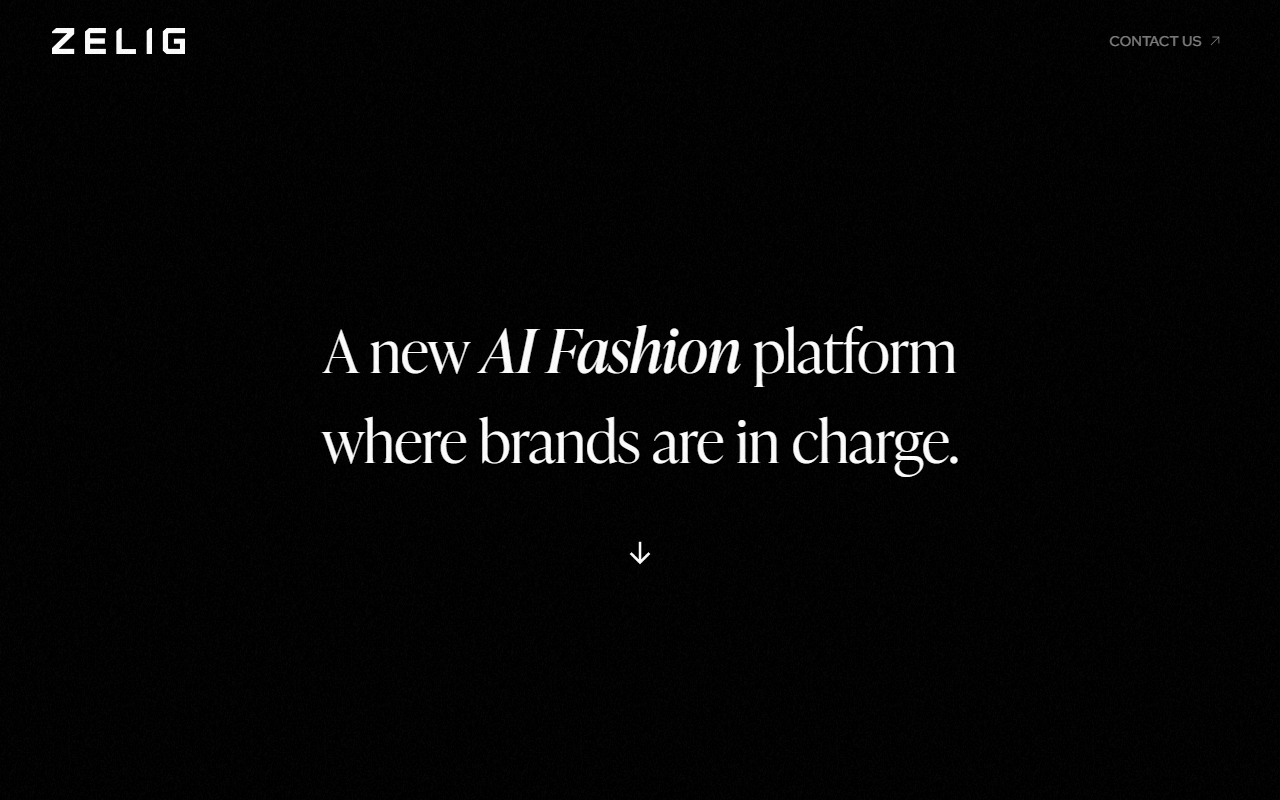
Upon visiting the Zelig website, I immediately noticed a clean, brand-forward layout that prioritizes use cases over technical jargon. The homepage leads with a bold tagline: “E Commerce to AI Commerce.” Scrolling down, I encountered a live integration demo with REVOLVE, one of their flagship partners. Clicking through to the “Build A Look” experience on REVOLVE’s site, I watched as AI generated complete outfits from individual product pages—mixing tops, bottoms, shoes, and accessories in real time. The interface felt responsive; I could swap items with a single click, and the styling suggestions adapted instantly based on my selections. This isn’t just a static image overlay—it’s a dynamic, interactive tool that pulls from the retailer’s existing CMS. The onboarding flow appears friction-free: Zelig claims it integrates directly with a brand’s product feed without needing to re-ingest data or restructure catalogs. For a tech journalist who has reviewed countless design tools, the seamlessness of this integration stood out.
Features, Technology, and Real-World Metrics
Zelig positions itself as the first fully integrated AI shopping experience, encompassing discovery, mix-and-match, recommendations, and a digital closet. The “Digital Closet” feature allows shoppers to save and revisit curated outfits, building a data-retaining profile that powers personalized suggestions over time. Under the hood, Zelig uses patented technology—four patents issued and twenty more pending. These patents cover user preference modeling, real-time product rendering, and data capture that scales across enterprises. While Zelig does not publicly disclose which underlying AI models it uses, the emphasis on patent-protected workflows suggests a proprietary approach rather than off-the-shelf LLMs or vision transformers. The performance metrics Zelig shares on its site are striking: 3x increase in session times, 9% item conversion (versus industry standard 2.0%), 1.5x average order value, and a 10% reduction in return volume. These numbers are derived from first-party customer data, likely from the REVOLVE deployment. For fashion e-commerce, these KPIs address critical pain points—low conversion, high return rates, and static product pages. Zelig’s ROI claim is bolstered by a live, audited case study, which adds credibility.
Strengths and Limitations
Zelig’s main strength is its end-to-end, commerce-native approach. Unlike competitors such as Vue.ai or Syte, which focus primarily on visual search or product tagging, Zelig tackles the entire styling journey—from discovery to checkout—within a single interface. The patent portfolio signals deep tech moats, and the REVOLVE partnership (with a CEO testimonial from Mike Karanikolas) lends enterprise authority. However, there are real limitations. First, pricing is not publicly listed on the website; interested buyers must request a demo, which may deter smaller brands. Second, the tool is clearly optimized for fashion retail, and its applicability to other design verticals (like interior design or home goods) is unproven. Third, while the metrics are impressive, they come from a single high-profile deployment; independent validation across diverse merchants would strengthen the case. Finally, Zelig’s integration depth assumes the retailer has a well-structured CMS—brands with messy or legacy product data may face hurdles during onboarding.
Who Should Use Zelig?
Zelig is best suited for mid-to-large fashion e-commerce brands that already have a robust digital catalog and are looking to increase engagement and average order value. The technology is particularly valuable for retailers targeting Gen Z and Millennial shoppers who expect interactive, “Clueless closet” experiences. If your brand sells apparel, footwear, or accessories and you have the budget for a premium AI solution, Zelig is worth a demo. On the other hand, very small boutiques or businesses outside the fashion vertical should look elsewhere—at least until Zelig expands its scope. For those seeking a lighter, self-serve tool, alternatives like Vue.ai offer more modular, lower-cost entry points. Overall, Zelig delivers on its promise of transforming e-commerce into AI commerce, provided you have the scale to wield it. Visit Zelig at https://zelig.com/ to explore it yourself.










Comments