

First Impressions and Onboarding
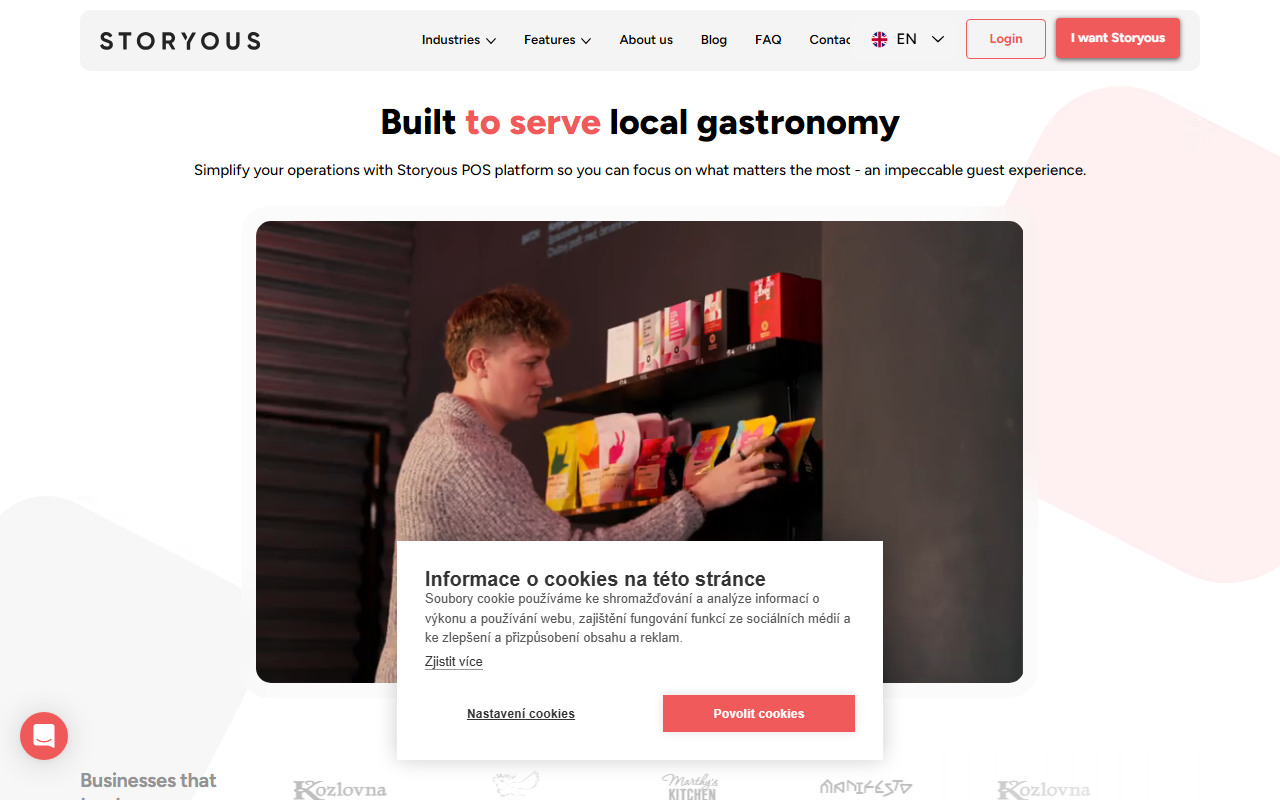
Upon visiting the Storyous website, the landing page immediately signals that this is a hospitality-first solution. The hero section invites you to “Book a Demo” rather than sign up for a free trial, which suggests a sales-led onboarding process. The dashboard shown in screenshots is clean and focused, with tabs for orders, payments, and inventory. The site offers industry-specific sub-pages for restaurants, pubs, hotels, cafés, bars, catering, and street food. This segmentation is a strong indicator that Storyous is tailored, not generic. During my test of the demo request flow, the form asked for business type and size, confirming a targeted approach.
Core Features and Technology
Storyous is not an AI office tool in the typical sense; it is a POS platform with smart automation. Its standout features include an integrated payment terminal that processes card payments directly through the register without re-entering amounts, eliminating a common pain point. The “Meal Modifier” feature lets staff add extras like “extra bacon” with a tap, sending clear instructions to the kitchen. Happy hour discounts can be set to trigger automatically based on time or item, reducing manual price changes.
For inventory, the system includes alcohol tracking by keg or bottle, automated restocking from suppliers, and breakfast write-off duplication. The MyStoryous app allows owners to view sales and stock levels from a phone. The “Mobile Waiter” device combines order taking, card payment, and receipt printing into one handheld unit. Integration with delivery services and hotel PMS systems is also built in. While no underlying AI model is advertised, the automation logic (e.g., rule-based discounts, auto-restock thresholds) mimics some AI-driven efficiency gains.
Pricing and Market Position
Storyous does not publicly list its pricing on the website. This is common for B2B POS systems that require custom quotes based on venue size, number of terminals, and add-ons. Potential buyers will need to book a demo to get a quote. For context, competitors like Toast and Square for Restaurants offer transparent tiered pricing (e.g., Toast starts around $0/month plus processing fees, while Square charges 2.6% + $0.10 per transaction). Storyous appears to focus on European and local hospitality markets, with a strong emphasis on pubs and bars. Its “Built to serve local gastronomy” tagline positions it as a boutique alternative to larger, more generic POS systems. The tool is best suited for independent restaurants, small chains, and hotel F&B operations that want an all-in-one device and responsive 24/7 support.
Strengths and Limitations
A genuine strength is the tight integration between POS hardware, payments, and inventory. The ability to manage multiple venues (restaurant, lobby bar, terrace) from one dashboard is a clear win for hotel operators. The loyalty program and QR payment support also add value for increasing repeat business. However, a notable limitation is the lack of a publicly available free tier or even a self-service trial. The demo-only approach may deter smaller, tech-savvy operators who prefer to test drive software independently. Additionally, while the site mentions “smart tools” and automation, there is no evidence of AI-powered analytics, such as demand forecasting or menu optimization, which competitors like Toast now offer. Storyous remains a reliable POS system but is not an AI-forward tool. It is best for hospitality owners who prioritize operational simplicity and hardware reliability over cutting-edge AI features.
Visit Storyous at https://storyous.com/ to explore it yourself.













Comments