

First Impressions and Core Functionality
Upon visiting the WRF Conference website, I encountered a clean, information-dense homepage that immediately conveys the organization's global ambition. The World Research Forum (WRF) positions itself as a network of researchers, innovators, and academicians dedicated to advancing knowledge across all disciplines. The dashboard prominently lists upcoming conferences in diverse locations such as Bristol, Berlin, Kuala Lumpur, Las Vegas, Vienna, Singapore, Antwerp, Salto, and Madrid, covering topics from medical mycology to art history. This breadth is unusual for a single organizer and signals an aggressive expansion strategy.
The core offering is straightforward: WRF organizes academic conferences allowing attendees to participate either physically at the specified venue or through real-time digital sessions. This hybrid model, while increasingly common post-pandemic, is presented here as a core differentiator for global accessibility. The site also aligns its mission with Sustainable Development Goals (SDG 4, SDG 9, and SDG 17), framing each event as a contribution to quality education, innovation, and global partnerships. However, I found no detailed evidence of impact beyond stated intentions, which weakens this claim.
Conference Workflow and Observed Limitations
When tracing the participant journey, the site outlines a clear 12-step peer review cycle: abstract submission, evaluation, acceptance notification, registration and payment, full paper submission, review, revision requests, final decision, publication consideration, awards, post-conference publishing, and final recognition. The inclusion of Best Paper Awards with named recipients from specific institutions adds concrete credibility. For instance, the ICLLDE-25 conference awarded Gabriela Dorfman Furman from Shenkar College for AI in education research, and the ICBEFMS-25 conference awarded Rebecca Levy Orelli from University of Bologna for public administration research.
Despite being categorized as a Text AI Learning Platform, I observed no actual artificial intelligence or machine learning features during my exploration. There are no AI-powered paper recommendations, automated review assistance, or content generation tools. This misclassification is a notable weakness for users seeking AI-enhanced academic support. The platform is fundamentally a conference management service, not an AI tool. The testimonials section includes three positive reviews from participants in Pakistan, Finland, and the Philippines, praising organization and insightfulness, but the sample is too small to draw reliable conclusions.
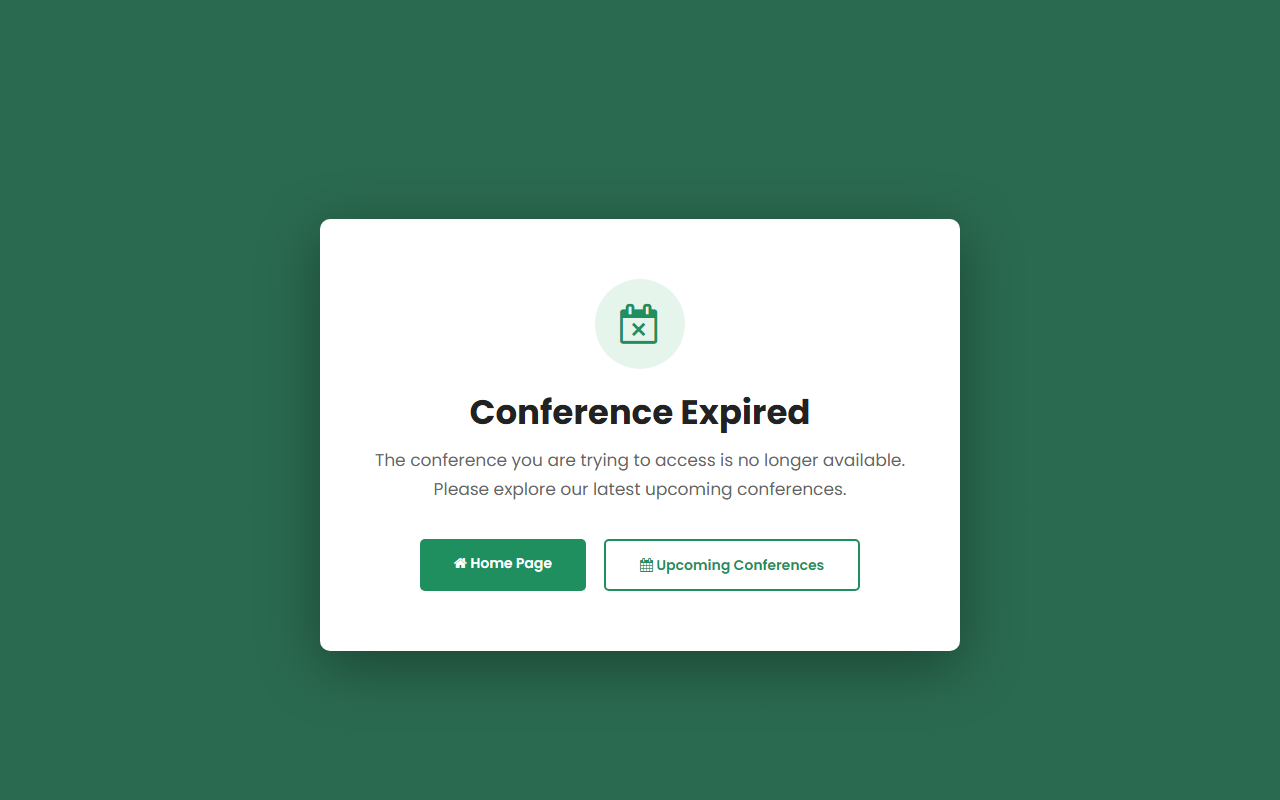
The Recent Highlights video and Conference Video sections failed to load properly in my browser, suggesting potential technical issues with media content delivery. Additionally, while the site lists important links such as Editorial Board, Plagiarism policies, Organize, Collaborate, and General Instructions, these pages do not reveal detailed board member lists, specific plagiarism thresholds, or publication partnerships with journals. This lack of transparency in review standards and editorial governance is a concern for researchers accustomed to traditional academic conferences.
Pricing, Market Position, and Final Verdict
Pricing is not publicly listed on the website. The registration and payment process is mentioned within the peer review cycle, but no fee structures, tiered pricing, or early-bird discounts are visible without initiating a submission. This opacity is a significant drawback for budget-conscious researchers. The site provides direct contact options via phone, email, and WhatsApp, suggesting a preference for personalized inquiry handling.
In terms of market positioning, WRF competes with established academic conference organizers such as Elsevier's conference services, Springer's conference management, and platforms like Easychair or Oxford Abstracts for workflow support. Unlike these traditional players, WRF offers a more curated, branded experience with a global rotation of venues and topics. However, the absence of clear information about review rigor, editorial board qualifications, and journal publication partners undermines its authority compared to better-known peers.
Overall, the WRF Conference platform is best suited for early-career researchers or scholars from less-connected regions who need a structured path to present, publish, and network internationally. The hybrid attendance model and diverse topic coverage are genuine strengths. However, experienced researchers seeking high-impact, rigorously vetted conferences may find the lack of transparency about pricing, review criteria, and publication outlets a barrier. The platform would benefit significantly from clearer disclosure of its peer review process, editorial board composition, and journal partnerships. If you need a straightforward global conference opportunity with flexible attendance, WRF is worth exploring. If you require AI-powered learning tools or deeply rigorous academic venues, look elsewhere.
Visit WRF Conference at https://wrfconference.com/ to explore it yourself.













Comments