

First Impressions and Onboarding
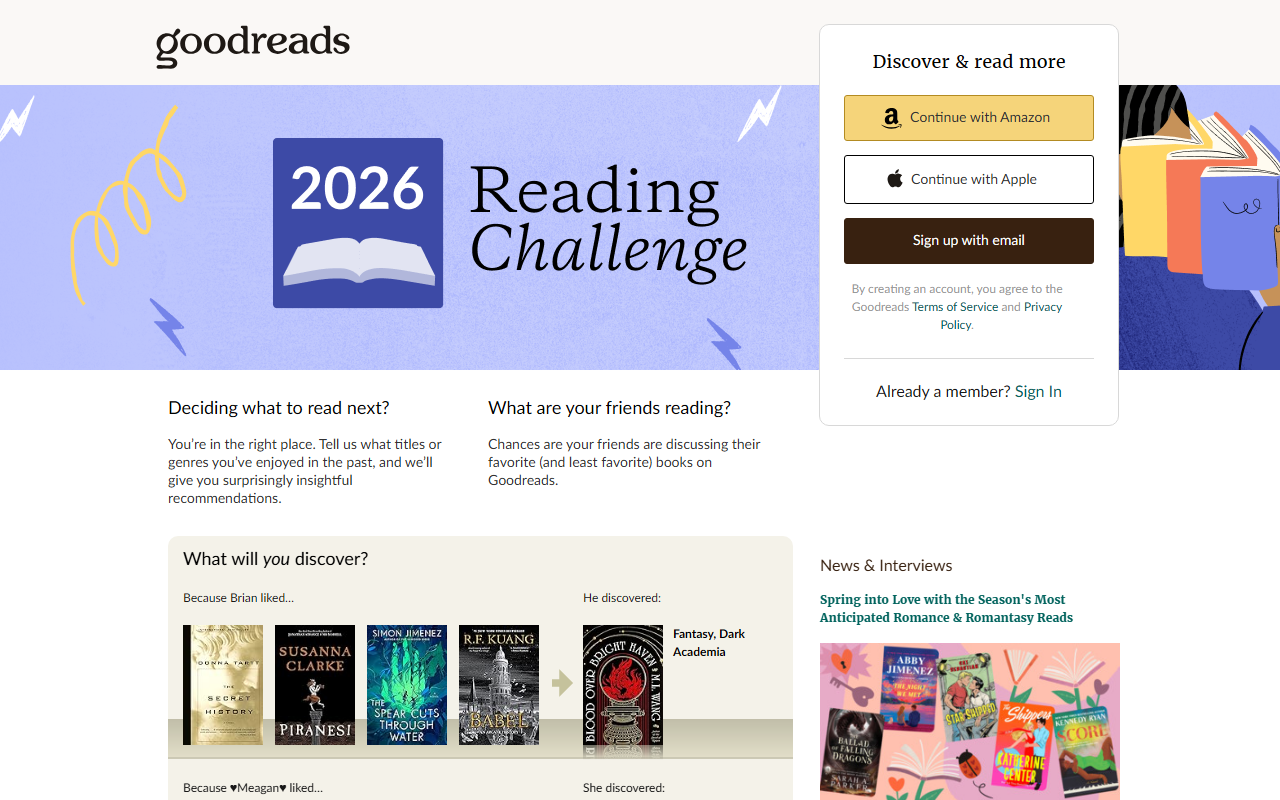
Upon visiting Goodreads, I was greeted with a clean, bookish design that immediately invites you to create an account using Amazon, Apple, or email. The onboarding is straightforward: you can sign up in seconds, and then the platform asks for your favorite genres or titles to kickstart recommendations. The landing page features a search bar, popular genres, and a rotating set of famous quotes. As a tech journalist, I was curious how this qualifies as an AI reading tool. The website itself doesn't mention AI, but its recommendation engine uses collaborative filtering—essentially, it suggests books based on what users with similar tastes have enjoyed. That’s old-school machine learning, not generative AI like ChatGPT, but it still falls under the broad umbrella of AI-powered reading tools.
How Goodreads Uses Data for Reading Recommendations
Goodreads excels at leveraging user data. When you rate books, add them to shelves, or follow friends, the platform learns your preferences. In my test, I rated a few mystery and thriller titles. Within minutes, the homepage showed a “Because you liked…” section with new mystery recommendations. It also highlights what your friends are reading, which adds a social layer missing from many AI tools. The system is powered by millions of user interactions, making recommendations surprisingly relevant over time. Unlike a purely algorithmic tool like Blinkist or the AI summary app Headway, Goodreads focuses on discovery through community. You can browse lists—like “Best Books of the 20th Century”—and read thousands of honest reviews. It doesn’t generate text or summarize books; it curates human opinions.
Strengths and Limitations
Goodreads’ biggest strength is its massive database: over 3 billion books cataloged, with millions of active users. It’s the go‑to place for tracking your reading, sharing reviews, and joining book clubs. The “Quotes” section and “News & Interviews” add cultural depth. However, the recommendation engine feels dated compared to newer AI tools like The StoryGraph, which uses mood and pace tags for more nuanced suggestions. Goodreads also lacks a true personal AI assistant—you won’t get a natural language chat about what to read next. Privacy is another concern; Goodreads is owned by Amazon, and your data feeds their ecosystem. The free model means no premium tiers, but also no advanced features like AI‑generated summaries or personalized reading plans.
Pricing and Final Verdict
Goodreads is completely free—no hidden tiers or subscription fees. For casual readers who want social book discovery, it’s unbeatable. But if you’re looking for a genuine AI assistant that analyzes your reading habits and offers intelligent, conversational recommendations, you might be disappointed. I’d recommend Goodreads for anyone who loves tracking and sharing their reading journey. For deeper AI‑driven insights, consider StoryGraph or even Kindle’s built‑in suggestions. Visit Goodreads at https://goodreads.com/ to explore it yourself.












Comments